Ad space available
Your book here
Put your book in front of readers choosing their next Short Game book. Limited to two spots per category.
Chipping, pitching, wedges and bunker play: where most strokes are saved.
Ranked by our editors. Updated November 2026. How we rank
As an Amazon Associate we earn from qualifying purchases. Links to Amazon on this site are affiliate links, which means we may earn a small commission at no extra cost to you. Learn more
Sponsored Paid placements never affect our rankings
Put your book in front of readers choosing their next Short Game book. Limited to two spots per category.
Put your book in front of readers choosing their next Short Game book. Limited to two spots per category.
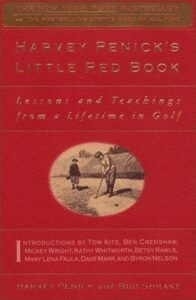
Decades of notes from the teacher of Ben Crenshaw and Tom Kite, written as short, warm lessons. It covers the grip, the swing, the short game and how to think, and it remains the best selling golf book of all time because the advice is so clear and kind.
Best for: Golfers of every level who want simple, wise advice they can use on the next round
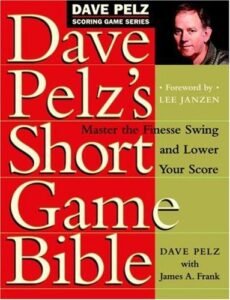
Former NASA scientist Pelz used years of data to show where amateurs really lose strokes: the short game. His clock system for wedge distances is one of the most useful ideas in golf instruction.
Best for: Any golfer who wants to save strokes inside 100 yards
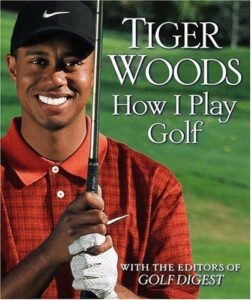
Written at the height of his dominance, Woods covers every part of the game: full swing, wedges, putting, trouble shots, course strategy and the mental side. The photography is excellent and the explanations are practical rather than theoretical.
Best for: Improving golfers who want a complete, modern system from tee to green
Mickelson explains his approach to chips, pitches, flops and bunker shots, with clear setups and many photos. It is full of the creative shots he is famous for, but grounded in sound fundamentals.
Best for: Golfers who want to learn chipping, pitching and bunker play from a short game genius
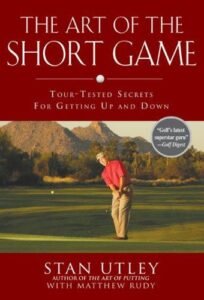
Short game coach Utley teaches a soft, rotational technique that uses the club's bounce. It has fixed the chipping of countless amateurs and tour players.
Best for: Golfers who chunk and skull chips and want a reliable method
A respected tour coach's system for wedges, chips, pitches and bunkers, built on a reliable stock motion and adjustments from there. It includes practice plans and performance tests.
Best for: Committed amateurs who want a modern, structured short game system
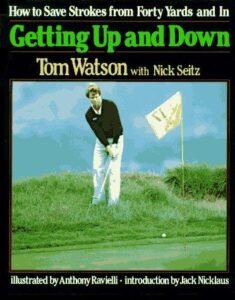
Watson, one of the best scramblers ever, explains chipping, pitching, bunkers and putting in plain language. A classic that is still one of the clearest short game books.
Best for: Golfers who want a champion's guide to scoring around the green
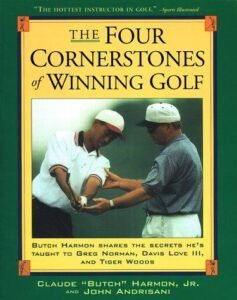
Tiger Woods' former coach organizes the game into four cornerstones: the full swing, the short game, the mental game and the physical side. Straightforward, practical and well illustrated.
Best for: Club golfers who want a balanced plan for the full swing, short game and mind
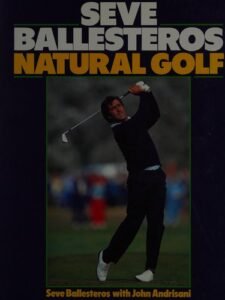
Seve explains how he learned the game as a boy with a single 3 iron on the beaches of Spain, and how that creativity shaped his full swing and his legendary short game.
Best for: Golfers who want to play with imagination and feel
Hall of Famer Floyd explains how he approached chips, pitches and bunker shots, with an emphasis on visualizing the shot and choosing the right club.
Best for: Golfers who want a veteran's approach to creative short game play
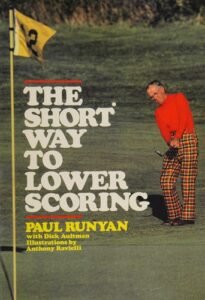
Runyan beat the great Sam Snead in a PGA Championship final with his short game. Here he explains his distinctive chipping and putting methods, many of which are still taught today.
Best for: Golfers who want a precise, technical short game method
Four time Open champion Locke explains his famous hook and, above all, his putting method, which made him nearly unbeatable on the greens.
Best for: Golfers who want to learn from one of the greatest putters ever
Pelz covers trouble shots, awkward lies and recovery strategy, with the goal of avoiding doubles and triples. Practical advice for the shots most books ignore.
Best for: Golfers who want to stop turning one bad shot into a big number
Hundreds of practical drills for the swing, short game and putting, organized by problem.
Best for: Golfers who want a library of drills for every part of the game
Lopez covers the full swing, short game and putting with clear, encouraging instruction based on her own unconventional but effective game.
Best for: Golfers who want simple, friendly advice from an LPGA legend