All Golf Books

Every book in our directory, ranked by editorial score.

As an Amazon Associate we earn from qualifying purchases. Links to Amazon on this site are affiliate links, which means we may earn a small commission at no extra cost to you. Learn more

#1

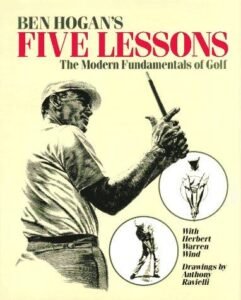
Ben Hogan’s Five Lessons

Ben Hogan and Herbert Warren Wind ·1957 ·All levels

4.9

Hogan breaks the swing into five lessons: grip, stance and posture, the first part of the swing, the second part, and a summary. Anthony Ravielli's illustrations made it the most studied instruction book ever written, and its ideas still sit under most modern teaching.

  • A sound grip and setup decide most of what happens later in the swing
  • The swing plane is a useful picture for keeping the club on track
  • Practice the fundamentals until they are automatic, then trust them

Best for: Any golfer who wants to understand the fundamentals the modern swing is built on
#2

Golf Is Not a Game of Perfect

Bob Rotella and Bob Cullen ·1995 ·All levels

4.9

The best selling book on the mental game, from the sports psychologist who has worked with dozens of major champions. Rotella teaches golfers to play with confidence, accept mistakes, commit to every shot and stop chasing a perfect swing.

  • Commit fully to every shot, even when unsure
  • Accept bad shots and move on to the next one
  • Confidence comes from what you choose to think about

Best for: Every golfer who has ever let one bad shot ruin a round

#3

Harvey Penick’s Little Red Book

Harvey Penick and Bud Shrake ·1992 ·All levels

4.9

Decades of notes from the teacher of Ben Crenshaw and Tom Kite, written as short, warm lessons. It covers the grip, the swing, the short game and how to think, and it remains the best selling golf book of all time because the advice is so clear and kind.

  • Take dead aim: pick a small target on every shot
  • Simple feels and images beat long technical checklists
  • A good teacher fixes the one thing that matters most first

Best for: Golfers of every level who want simple, wise advice they can use on the next round

#4

Dave Pelz’s Short Game Bible

Dave Pelz ·1999 ·All levels

4.8

Former NASA scientist Pelz used years of data to show where amateurs really lose strokes: the short game. His clock system for wedge distances is one of the most useful ideas in golf instruction.

  • Most strokes are lost from 100 yards and in
  • Use a clock system of backswing lengths to control wedge distance
  • Practice the short game in proportion to how often you use it

Best for: Any golfer who wants to save strokes inside 100 yards

#5

Every Shot Counts

Mark Broadie ·2014 ·Intermediate

4.8

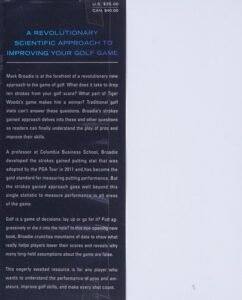
Columbia professor Broadie invented strokes gained, the statistic that changed how tour players and coaches measure performance. He shows that the long game matters more than golfers thought, and gives clear strategy advice backed by data.

  • Strokes gained shows where you truly win and lose shots
  • Driving and approach play matter more than golfers assume
  • Use data, not feel, to choose what to practice

Best for: Data minded golfers who want to know where they really gain and lose strokes

#6

Golf My Way

Jack Nicklaus and Ken Bowden ·1974 ·Intermediate

4.7

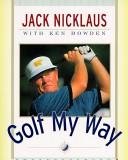
Nicklaus explains his full swing, his setup routine and, just as important, how he planned his way around a golf course. His idea of going to the movies, seeing the shot before hitting it, has shaped how players prepare ever since.

  • Visualize the shot, the flight and the landing before every swing
  • Setup and alignment are where most swing faults start
  • Play to your strengths and manage the course one shot at a time

Best for: Golfers who want to learn how the greatest major champion thought about the swing and the course

#7

Dave Pelz’s Putting Bible

Dave Pelz ·2000 ·All levels

4.6

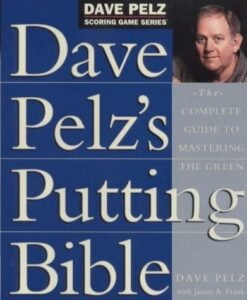
Pelz brings his research to the greens, covering stroke mechanics, green reading, speed and practice. His finding that the best speed rolls the ball about 17 inches past the hole changed how many golfers putt.

  • Roll putts about 17 inches past the hole for the best chance
  • Most golfers underread break
  • Practice speed control as much as line

Best for: Golfers who want a data driven guide to putting

#8

The Greatest Game Ever Played

Mark Frost ·2002 ·All levels

4.6

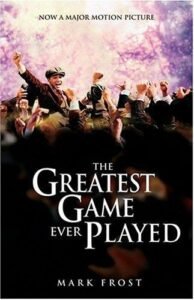
The story of how a 20 year old amateur caddie, Francis Ouimet, beat British legends Harry Vardon and Ted Ray at the 1913 U.S. Open. Frost turns it into a gripping story about class, ambition and the birth of American golf.

  • Golf once belonged mainly to the wealthy
  • Ouimet's win sparked golf's growth in America
  • Character and nerve matter as much as talent

Best for: Anyone who loves a great true sports story

#9

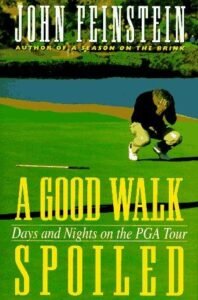
A Good Walk Spoiled

John Feinstein ·1995 ·All levels

4.5

Feinstein spent a year following tour players, from stars to strugglers, during 1994. The result is one of the best selling sports books ever and a vivid look at the pressure of professional golf.

  • Life on tour is far harder than it looks on TV
  • Small margins separate stars from journeymen
  • Every player has a story behind the scores

Best for: Readers who want a behind the scenes look at life on tour

#10

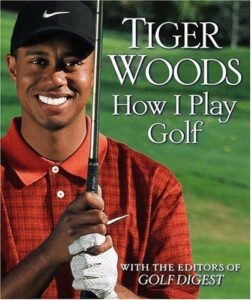
How I Play Golf

Tiger Woods ·2001 ·Intermediate

4.5

Written at the height of his dominance, Woods covers every part of the game: full swing, wedges, putting, trouble shots, course strategy and the mental side. The photography is excellent and the explanations are practical rather than theoretical.

  • Build your game from the green back to the tee
  • Have a plan for every shot and commit to it
  • Physical and mental preparation go together

Best for: Improving golfers who want a complete, modern system from tee to green

#12

The Inner Game of Golf

W. Timothy Gallwey ·1981 ·All levels

4.5

Gallwey applies the ideas from The Inner Game of Tennis to golf: quiet the self that criticizes and controls, and let the body learn through attention. A classic that changed how coaches think about learning.

  • Self criticism interferes with performance
  • Awareness, not instruction, drives learning
  • Trust the body to find its own way

Best for: Golfers who try too hard and want to learn by awareness instead

#14

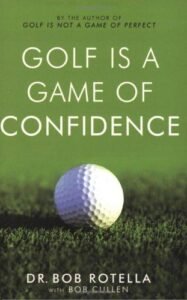
Golf Is a Game of Confidence

Bob Rotella and Bob Cullen ·1996 ·All levels

4.4

Rotella uses stories of tour players he has coached to show how confidence is built, protected and used under pressure. A natural follow up to Golf Is Not a Game of Perfect.

  • Confidence is a choice you make before each shot
  • Train your mind as deliberately as your swing
  • Play to your target, not away from trouble

Best for: Golfers who play well in practice but struggle on the course

#15

Secrets of the Short Game

Phil Mickelson and T.J. Tomasi ·2009 ·Intermediate

4.4

Mickelson explains his approach to chips, pitches, flops and bunker shots, with clear setups and many photos. It is full of the creative shots he is famous for, but grounded in sound fundamentals.

  • Set up correctly and the short game becomes simple
  • Use the bounce of the wedge rather than fighting it
  • Have a go to shot for each situation

Best for: Golfers who want to learn chipping, pitching and bunker play from a short game genius

#16

The Anatomy of a Golf Course

Tom Doak ·1992 ·All levels

4.4

Renowned architect Doak explains routing, hazards, greens and strategy in an approachable way. After reading it you will never look at a golf hole the same way.

  • Great holes offer strategic choices
  • Routing is the foundation of a course
  • Hazards should reward good decisions

Best for: Golfers who want to understand why great holes work

#17

The Practice Manual

Adam Young ·2015 ·Intermediate

4.4

Young applies motor learning research to golf practice, showing why block practice on the range fools us and how variable, game like practice builds real skill.

  • Range results can be misleading
  • Variable practice transfers better to the course
  • Use games and challenges to train skills

Best for: Golfers who practice a lot but do not see it carry onto the course

#18

A Course Called Ireland

Tom Coyne ·2009 ·All levels

4.3

Coyne walks the entire coast of Ireland, playing every links course along the way. Funny, warm and full of pubs and people.

  • Links golf is best experienced on foot
  • The people make the trip
  • Golf is a great way to see a country

Best for: Golfers who dream of a links golf trip

#19

The Art of the Short Game

Stan Utley and Matthew Rudy ·2006 ·All levels

4.3

Short game coach Utley teaches a soft, rotational technique that uses the club's bounce. It has fixed the chipping of countless amateurs and tour players.

  • Let the body rotate and keep the hands quiet
  • Use bounce so the club glides instead of digging
  • A relaxed grip produces softer shots

Best for: Golfers who chunk and skull chips and want a reliable method

#20

The Four Foundations of Golf

Jon Sherman ·2022 ·All levels

4.3

From the founder of Practical Golf, this book organizes improvement into four foundations: strategy, practice, mental game and the basics of the swing. It is grounded in modern stats and written for regular golfers.

  • Smart strategy is the fastest way to lower scores
  • Practice with variety and purpose
  • Expect bad shots: even good golfers hit plenty

Best for: Amateurs who want an honest, practical plan to shoot lower scores

#21

The Match

Mark Frost ·2007 ·All levels

4.3

In 1956 two amateurs took on Ben Hogan and Byron Nelson in a private match at Cypress Point. Frost uses that day to tell the stories of all four players and the end of an era.

  • Great amateurs once competed with the pros
  • Hogan and Nelson represent two sides of greatness
  • A single round can tell the story of an era

Best for: Golf fans who enjoy a story about the game's greats

#22

The Plane Truth for Golfers

Jim Hardy ·2005 ·Intermediate

4.3

Hardy shows that there are two distinct swing types, one plane and two plane, and that mixing advice from each is why so many golfers get worse. Identify yours and the right fixes become obvious.

  • Know whether you are a one plane or two plane swinger
  • Advice that helps one swing type can ruin the other
  • Match your setup and body motion to your swing type

Best for: Golfers who keep getting contradictory tips and want to know which ones fit their swing

#23

Unconscious Putting

Dave Stockton and Matthew Rudy ·2011 ·All levels

4.3

Stockton, who coached many of the best putters in the world, teaches a quick routine, a focus on the target and a stroke that comes from feel. The goal is to putt without thinking about mechanics.

  • Read the putt from below the hole
  • Use a short, consistent routine
  • Focus on the target and let the stroke happen

Best for: Golfers who freeze over putts and want a simple, confident routine

#24

Zen Golf

Joseph Parent ·2002 ·All levels

4.3

A Buddhist teacher and golf coach offers short lessons on handling nerves, distraction and expectations. The simple ideas, like the PAR approach of preparation, action and response, are easy to use mid round.

  • Prepare, act and respond: a simple routine for every shot
  • Let go of the last shot completely
  • Expectation creates tension, acceptance frees the swing

Best for: Golfers who want a calmer, clearer mind on the course

#25

The Golf Swing

David Leadbetter and John Huggan ·1990 ·Intermediate

4.3

The book that made Leadbetter the most famous teacher in golf after his work with Nick Faldo. It teaches a swing powered by the big muscles of the body rather than the hands and arms, with clear photos and drills.

  • Let the body turn drive the swing and the arms follow
  • Good posture and balance make a repeatable swing possible
  • Use simple drills to groove the right feelings

Best for: Golfers who want a body driven, athletic approach to the full swing

#26

Ben Hogan

James Dodson ·2004 ·All levels

4.2

Dodson had access to family and friends and gives a fuller picture of Hogan the person, beyond the cold image the public saw.

  • Hogan was private, not cold
  • His comeback is one of sport's greatest stories
  • His legacy is built on practice

Best for: Readers who want an authorized, deeply researched portrait of Hogan

#27

Every Shot Must Have a Purpose

Pia Nilsson, Lynn Marriott and Ron Sirak ·2005 ·All levels

4.2

The coaches behind Annika Sorenstam's success introduce the think box and play box: make decisions behind the ball, then step in and play with full commitment. Practical and influential.

  • Decide in the think box, commit in the play box
  • Every shot deserves a clear purpose
  • Practice the routine, not just the swing

Best for: Golfers who want a clear routine that separates thinking from playing

#28

Hogan

Curt Sampson ·1996 ·All levels

4.2

A detailed biography of Ben Hogan, from his hard childhood in Texas to his comeback after a near fatal car crash and his famous 1953 season.

  • Hogan's childhood shaped his relentless drive
  • He came back from a crash to win six more majors
  • His work ethic became legendary

Best for: Readers who want the full story of golf's most mysterious legend

#29

The Art of Putting

Stan Utley and Matthew Rudy ·2006 ·All levels

4.2

Utley teaches an arcing, relaxed stroke that releases the putter naturally, along with practical green reading advice. A good fit for golfers whose stroke feels tight or mechanical.

  • Let the putter swing on a gentle arc
  • Light grip pressure improves feel for speed
  • Good putting is about rhythm, not force

Best for: Golfers who want a simple, natural putting stroke

#30

The Golfer’s Mind

Bob Rotella and Bob Cullen ·2004 ·All levels

4.2

Short chapters, each built around one principle, make this the most practical of Rotella's books. Easy to read in pieces and return to before a round.

  • Have a clear target on every shot
  • Stay in the present shot
  • Think of practice and play as two different modes

Best for: Golfers who want short, practical mental game lessons

#31

The Impact Zone

Bobby Clampett and Andy Brumer ·2007 ·Intermediate

4.2

Former tour player Clampett argues that golfers spend too much time on positions in the backswing and too little on impact. He gives clear checkpoints for a forward leaning shaft, a flat lead wrist and solid, ball first contact.

  • Impact is the only position that truly matters
  • A forward leaning shaft at impact compresses the ball
  • Practice drills that train impact directly

Best for: Golfers who want to focus on the only part of the swing the ball ever feels

#33

Your Short Game Solution

James Sieckmann and Ron Kaspriske ·2015 ·Intermediate

4.2

A respected tour coach's system for wedges, chips, pitches and bunkers, built on a reliable stock motion and adjustments from there. It includes practice plans and performance tests.
  • Build one stock motion, then adjust it
  • Measure your short game with tests
  • Practice skills under conditions like the course

Best for: Committed amateurs who want a modern, structured short game system

#36

Bobby Jones on Golf

Robert T. Jones Jr. ·1966 ·Intermediate

4.1

Collected from the newspaper columns Jones wrote in the late 1920s, this is beautifully written instruction on rhythm, timing and the mind. Jones writes like a player who understood the game deeply.

  • Smooth rhythm matters more than raw speed
  • Think about the shot, not the mechanics, when playing
  • Golf is played mostly on a five and a half inch course between the ears

Best for: Golfers who want timeless wisdom from the game's greatest amateur

#38

Getting Up and Down

Tom Watson and Nick Seitz ·1983 ·All levels

4.1

Watson, one of the best scramblers ever, explains chipping, pitching, bunkers and putting in plain language. A classic that is still one of the clearest short game books.

  • Get the ball on the ground as soon as possible
  • Pick a landing spot for every chip
  • Firm, confident putts hold their line

Best for: Golfers who want a champion's guide to scoring around the green

#41

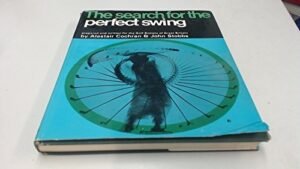
Search for the Perfect Swing

Alastair Cochran and John Stobbs ·1968 ·Advanced

4.1

The result of a major study by the Golf Society of Great Britain, this book modeled the swing as a double pendulum and tested equipment and technique. Many of its findings remain the foundation of golf science.

  • The swing behaves like a double pendulum
  • Timing and sequence create clubhead speed
  • Science can separate myths from facts

Best for: Readers who want the original scientific study of the golf swing

#42

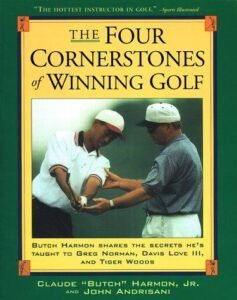
The Four Cornerstones of Winning Golf

Butch Harmon and John Andrisani ·1996 ·Intermediate

4.1

Tiger Woods' former coach organizes the game into four cornerstones: the full swing, the short game, the mental game and the physical side. Straightforward, practical and well illustrated.

  • Improvement comes from all four areas, not just the full swing
  • Simple, repeatable fundamentals hold up under pressure
  • Practice with purpose and a clear goal

Best for: Club golfers who want a balanced plan for the full swing, short game and mind

#43

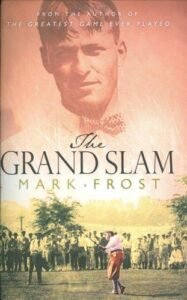
The Grand Slam

Mark Frost ·2004 ·All levels

4.1

Frost traces Jones' life from his troubled early years to the 1930 Grand Slam, still the only time anyone has won all four major titles of the day in a single season.

  • Jones won the Grand Slam as an amateur
  • His temper nearly derailed his career
  • He later founded Augusta National and the Masters

Best for: Readers who want the full story of Bobby Jones and his historic 1930 season

#47

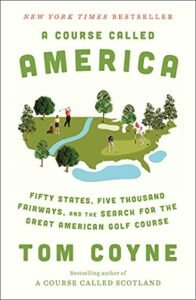
A Course Called America

Tom Coyne ·2022 ·All levels

4.0

Coyne plays a course in every state in search of what golf means in America, from munis to famous private clubs.

  • America's golf culture is varied
  • Public golf is the heart of the game
  • Every state has a great story

Best for: Golfers who want to explore the game across the United States

#48

Extraordinary Golf

Fred Shoemaker and Pete Shoemaker ·1996 ·All levels

4.0

Shoemaker asks golfers to drop the fear of judgment that limits their swing. His exercises, like swinging with eyes closed or throwing a club, help golfers rediscover a natural motion.

  • Awareness changes the swing more than instruction
  • Fear of looking bad holds most golfers back
  • Play with curiosity, not judgment

Best for: Golfers who are stuck and open to a different way of learning

#49

Fearless Golf

Gio Valiante ·2005 ·Intermediate

4.0

Valiante, a sports psychologist to many tour players, explains how fear shows up in the swing and how to play with freedom. He draws on research on motivation and mastery.

  • Fear leads to steering and tension
  • Focus on mastery, not on looking good
  • Pressure is a sign you care, not a threat

Best for: Competitive golfers who tighten up under pressure

#51

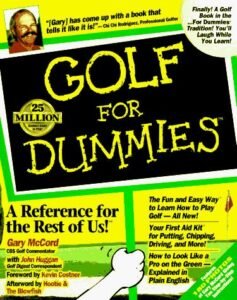
Golf For Dummies

Gary McCord ·1996 ·Beginner

4.0

TV commentator and tour player McCord explains equipment, the swing, rules, etiquette and how to get started, with humor.

  • Start with the basics of grip and setup
  • Etiquette matters as much as rules
  • Have fun while you learn

Best for: New golfers who want a complete, friendly introduction

#53

How to Play Your Best Golf All the Time

Tommy Armour ·1953 ·All levels

4.0

The Silver Scot's best seller is full of plain advice on the swing and especially on scoring: play the shot you can play, not the one you hope to play. Funny, direct and still useful.


  • Play the percentage shot, not the hero shot
  • The right hand delivers power, the left guides
  • Smart decisions save more strokes than swing changes

Best for: Weekend golfers who want sharp, witty advice on playing smarter

#57

The Golfing Machine

Homer Kelley ·1969 ·Advanced

4.0

Kelley spent decades turning the golf stroke into a system of geometry and physics, with a vocabulary all its own. It is famously dense, but many teachers credit it with giving them a way to describe any swing precisely.

  • There are many valid ways to swing, built from a set of components
  • Lag and a flat left wrist at impact are central ideas
  • A precise vocabulary helps teachers diagnose problems

Best for: Teachers and swing nerds who want a complete engineering model of the golf stroke

#59

The Only Golf Lesson You’ll Ever Need

Hank Haney and John Huggan ·1999 ·Beginner

4.0

Haney focuses on ball flight laws and swing plane to explain why the ball curves and how to fix it. It is especially good for slicers, which is most golfers.

  • Ball flight tells you what the clubface and path did
  • Most slices come from an open face and an out to in path
  • Fix the cause, not the symptom

Best for: Golfers who slice and want a clear, cause and effect fix

#61

Be a Player

Pia Nilsson, Lynn Marriott and Ron Sirak ·2011 ·Intermediate

3.9

Nilsson and Marriott focus on the human skills of golf: emotional control, focus, balance and tempo. The goal is to play golf rather than play golf swing.

  • Golf is played by people, not swing positions
  • Emotional control is a skill you can train
  • Practice on the range the way you play on the course

Best for: Golfers who want to turn practice range skills into better scores

#63

The Fundamentals of Hogan

David Leadbetter ·2000 ·Intermediate

3.9

Leadbetter studies Hogan's swing and his famous book page by page, explaining what has held up, what has changed and how an amateur can apply it. A useful bridge between the classic text and modern teaching.

  • Hogan's grip and setup ideas still hold up
  • Some of Hogan's advice suited his own tendency to hook
  • Modern amateurs should adapt, not copy, a tour swing

Best for: Fans of Hogan who want a modern teacher's commentary on his method

#64

The Masters

Curt Sampson ·1998 ·All levels

3.9

A candid history of Augusta National and the Masters, including the club's founders, its traditions and the controversies it worked hard to keep out of view.

  • Augusta's mystique was carefully built
  • The Masters changed how golf was broadcast
  • Tradition and controversy have gone together

Best for: Fans who want the history behind golf's most famous tournament

#65

Your 15th Club

Bob Rotella and Bob Cullen ·2008 ·All levels

3.9

Rotella explains how to build a mental routine and attitude that functions like an extra club, with examples from players who learned to trust themselves.

  • Your attitude is the club you use on every shot
  • A good routine makes pressure feel normal
  • Choose thoughts that help you play

Best for: Golfers who want to make their mind the most reliable club in the bag

#70

Golf Rules Illustrated

USGA ·2019 ·All levels

3.8

The USGA's official illustrated guide uses photographs and examples to explain the rules, including the 2019 modernization.

  • Pictures make rules easier
  • The 2019 rules simplified many situations
  • Use the official guide to settle disputes

Best for: Golfers who learn better from pictures

#71

On Learning Golf

Percy Boomer ·1942 ·Intermediate

3.8

A teacher's classic about learning by feel. Boomer explains how to build a repeating swing through sensations rather than instructions, and the book was a favorite of many tour players for decades.

  • Golf is learned through feel, not words
  • Turn in a barrel to keep the swing centered
  • Repetition with attention builds a reliable swing

Best for: Thoughtful golfers who want to understand how feel is learned

#72

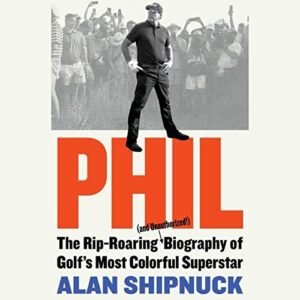
Phil

Alan Shipnuck ·2022 ·All levels

3.8

Shipnuck chronicles Phil Mickelson's career, gambling, generosity and controversies, including the story that preceded the launch of LIV Golf.

  • Mickelson's talent and risk taking were inseparable
  • Golf's business side shaped his story
  • Personality makes stars memorable

Best for: Readers who enjoy an entertaining, candid sports biography

#73

Seve

Seve Ballesteros ·2007 ·All levels

3.8

Ballesteros tells his story from his childhood in Pedrena to five majors and his Ryder Cup leadership, in his own passionate voice.

  • Creativity can be a competitive weapon
  • Seve transformed European golf
  • Passion drove his career

Best for: Fans of Seve's creative genius and passion

#74

The A Swing

David Leadbetter and Ron Kaspriske ·2015 ·Intermediate

3.8

Leadbetter's simplified swing for everyday golfers, with a more upright backswing and a shallower downswing that helps players square the face with less effort. It comes with a short daily practice plan.

  • A simpler backswing can make the downswing easier
  • Small amounts of daily practice beat rare long sessions
  • Match the swing to the body you have

Best for: Amateurs who struggle with a conventional swing and want a simpler motion

#75

The Majors

John Feinstein ·1999 ·All levels

3.8

Feinstein follows a year of the four majors, showing how the biggest events shape careers and test even the best players in the world.

  • The majors define golf careers
  • Pressure at majors is different from regular events
  • Preparation for majors starts months ahead

Best for: Fans who want to know what the major championships mean to the players

#79

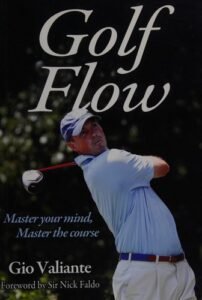
Golf Flow

Gio Valiante ·2013 ·Intermediate

3.7

Valiante describes the flow state that great rounds are made of and how to create the conditions for it more often. Stories from tour players show what flow feels like.

  • Flow comes from clear goals and full attention
  • Train focus on single shots
  • Reduce distractions before the round

Best for: Golfers who want more rounds where everything just clicks

#81

Herbert Warren Wind’s Golf Book

Herbert Warren Wind ·1971 ·All levels

3.7

A collection of essays and articles by the writer who coined the term Amen Corner. Wind's prose is graceful and his knowledge of the game deep.

  • Good golf writing captures character
  • History gives today's game context
  • Wind named Amen Corner at Augusta

Best for: Readers who appreciate classic golf writing

#85

Swing the Clubhead

Ernest Jones ·1952 ·All levels

3.7

Jones, who taught himself to play after losing a leg in the First World War, teaches one idea: swing the clubhead, like a weight on the end of a handkerchief. A short, timeless antidote to mechanical golf.

  • Feel the clubhead swing rather than steer it
  • Tension in the hands and arms kills speed
  • One simple feel can replace a dozen swing thoughts

Best for: Golfers who are overthinking positions and want to feel the swing again

#86

Tales from Q School

John Feinstein ·2007 ·All levels

3.7

The drama of the PGA Tour qualifying school, where careers are made and broken over six rounds. A story about hope, pressure and the thin line between dreams and reality.

  • Q School tested players like few other events
  • A single shot can change a career
  • Most professional golfers are not famous

Best for: Readers who want to see the hardest qualifier in sport

#88

The Big Miss

Hank Haney ·2012 ·All levels

3.7

Haney's account of six years coaching Woods, including his practice habits, his competitiveness and the pressures around him.

  • Woods' work ethic was extraordinary
  • Even great players fight swing doubts
  • Coaching a star brings unique pressures

Best for: Fans curious about how Tiger Woods practiced and thought

#90

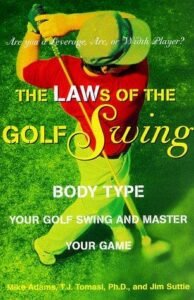
The Laws of the Golf Swing

Mike Adams, T.J. Tomasi and Jim Suttie ·1998 ·Intermediate

3.7

Three top teachers sort golfers into three body types, leverage, arc and width, and show how each should set up and swing. Practical and refreshing for anyone frustrated by one size fits all advice.

  • Your body type should shape your swing
  • Copying a tour pro with a different build can backfire
  • Fit the setup to your flexibility and strength

Best for: Golfers who want a swing that fits their body type

#93

The X-Factor Swing

Jim McLean ·1997 ·Intermediate

3.7

McLean explains the X factor, the difference between shoulder and hip turn, and how it stores power. The idea became one of the most discussed concepts in golf instruction.

  • Power comes from the separation of hips and shoulders
  • Flexibility limits how much X factor you can create
  • Sequence the downswing from the ground up

Best for: Golfers who want more distance from better body rotation

#97

From 60 Yards In

Raymond Floyd and Larry Dennis ·1989 ·Intermediate

3.6

Hall of Famer Floyd explains how he approached chips, pitches and bunker shots, with an emphasis on visualizing the shot and choosing the right club.
  • Choose the club based on how much roll you need
  • See the shot before you play it
  • Trust feel once the fundamentals are sound

Best for: Golfers who want a veteran's approach to creative short game play

#105

Shape Your Swing the Modern Way
Byron Nelson and Larry Dennis ·1976 ·Intermediate

3.6

Nelson explains the leg driven, upright swing that won him eleven straight tournaments in 1945. The writing is clear and humble, and the fundamentals hold up well.

  • Use the legs to lead the downswing
  • Keep the club in front of the body
  • A simple, repeatable swing wins over time

Best for: Golfers who want to learn from the player many consider the father of the modern swing

#106

Stack and Tilt Swing

Michael Bennett and Andy Plummer ·2009 ·Advanced

3.6

Bennett and Plummer explain their once controversial method, which keeps weight on the front foot and the body centered to make the low point of the swing more consistent. Detailed and well argued, whether or not you adopt the whole system.

  • Controlling the low point of the swing is the key to solid contact
  • Staying centered over the ball reduces moving parts
  • Every recommendation is tied to a cause in the swing

Best for: Experienced golfers looking for a different model that prioritizes solid contact

#108

The Education of a Golfer

Sam Snead and Al Stump ·1962 ·All levels

3.6

Snead's memoir mixes stories from the tour with insight into his famously smooth swing. Part autobiography and part lesson, it shows how tempo and feel made him one of the winningest players ever.

  • Tempo is the secret to Snead's power
  • Stay loose: oily, not tight
  • Learn from every round, good or bad

Best for: Readers who want a funny, honest memoir that teaches as it entertains

#110

The Short Way to Lower Scoring

Paul Runyan and Dick Aultman ·1979 ·Intermediate

3.6

Runyan beat the great Sam Snead in a PGA Championship final with his short game. Here he explains his distinctive chipping and putting methods, many of which are still taught today.

  • Use a putting style stroke for short chips
  • Minimize wrist action for consistency
  • Short players can beat long hitters with a sharp short game

Best for: Golfers who want a precise, technical short game method

#111

To the Linksland

Michael Bamberger ·1992 ·All levels

3.6

Bamberger travels to Scotland in search of the soul of golf, playing links courses and meeting the people who keep the game's traditions alive.

  • Links golf has a unique spirit
  • Local golfers keep traditions alive
  • Travel deepens love of the game

Best for: Golfers who dream about Scotland's links

#114

Dave Pelz’s Damage Control

Dave Pelz ·2006 ·Intermediate

3.5

Pelz covers trouble shots, awkward lies and recovery strategy, with the goal of avoiding doubles and triples. Practical advice for the shots most books ignore.

  • The goal after a bad shot is to avoid a big number
  • Know a handful of reliable recovery shots
  • Take your medicine when the odds are poor

Best for: Golfers who want to stop turning one bad shot into a big number

#118

Power Golf

Ben Hogan ·1948 ·Intermediate

3.5

Hogan's first book, written before his car accident, covers his swing and his approach to the game. It is less refined than Five Lessons but gives insight into how his method developed.

  • Hogan's method evolved over time
  • Power comes from sequence, not effort
  • Practice was the foundation of his game

Best for: Hogan fans who want to see his thinking before Five Lessons

#122

The Mental Game of Golf

Patrick J. Cohn ·1994 ·All levels

3.5

A sports psychologist covers confidence, focus, routines and managing emotions, with exercises at the end of each chapter.

  • Routines create consistency under pressure
  • Focus on what you can control
  • Confidence is built through preparation

Best for: Golfers who want a structured introduction to golf psychology

#125

Golf in America

George Peper ·1988 ·All levels

3.4

A richly illustrated history of golf in America, from St. Andrew's Golf Club in Yonkers to the modern era.

  • American golf began in the 1880s
  • Courses and players shaped the culture
  • Golf grew with the country

Best for: Readers who want an illustrated history of American golf

#127

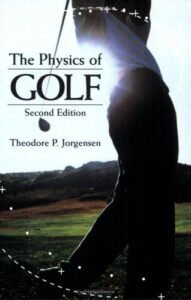
The Physics of Golf

Theodore P. Jorgensen ·1994 ·Advanced

3.4

A physicist applies mechanics to the swing, the ball and the club, explaining what really creates distance and spin. Accessible to readers comfortable with basic equations.

  • The physics of the swing explains distance
  • Ball spin controls flight and roll
  • Equipment matters, but the swing matters more

Best for: Curious golfers with an interest in physics

Free weekly newsletter: The Clubhouse Read

One great golf book, every week

Get one book worth reading plus the three ideas to steal from it. Five minutes a week.

🎁 Free when you join: 50 Big Ideas from 50 Golf Books (PDF)

One email every Tuesday. No spam, unsubscribe anytime. Privacy policy